GrassWise launches in Ireland to advance sustainable grassland management across Europe
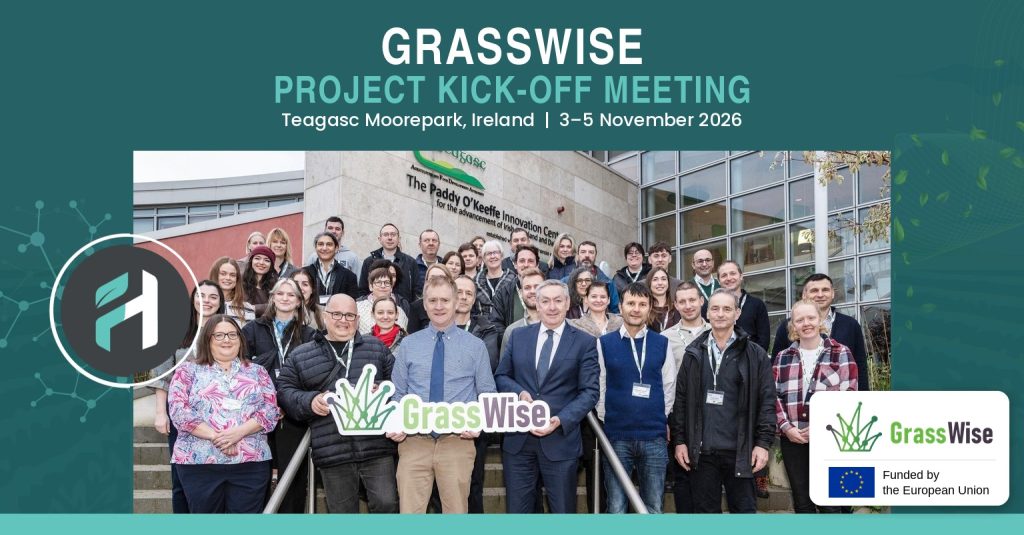
14 countries, more than 20 partner organisations and one shared mission: to improve how Europe’s grasslands are managed for productivity, sustainability and climate resilience. An ambitious €8 million Horizon Europe Grassland Project held the first day of its kick off meeting on Tuesday, 3rd November 2026 at the Teagasc Animal and Grassland Research and Innovation Centre, Moorepark, Fermoy, Co Cork.
Project Coordinator Michael O’Donovan of Teagasc opened the meeting with a welcome and introduction to the project, followed by an address from Billy Kelleher MEP, marking the official launch of GrassWise.
Partners from Belgium, Bulgaria, Germany, Greece, Ireland, Italy, Lithuania, the Netherlands, New Zealand, Norway, Romania, Serbia, Spain and Switzerland came together to introduce their organisations and their roles in the project.
Why do grasslands matter?
Grasslands cover approximately 34% of the EU’s agricultural area, but their contribution extends far beyond food production. They support biodiversity, store carbon, protect soil and water resources, and sustain pasture-based livestock farming.
At the same time, grassland systems are facing growing pressures from climate change, land degradation and competing demands for agricultural productivity and ecosystem services. Despite their environmental and economic importance, their multifunctional benefits are not always fully recognised or integrated into management decisions and agricultural policies.
This is where GrassWise comes in.
From scientific knowledge to practical decisions
GrassWise aims to bridge the gap between scientific knowledge and practical grassland management. By combining on-farm research, Earth Observation, advanced data analytics and participatory approaches, the project will develop evidence-based solutions to help farmers and land managers balance productivity, environmental sustainability and climate resilience.
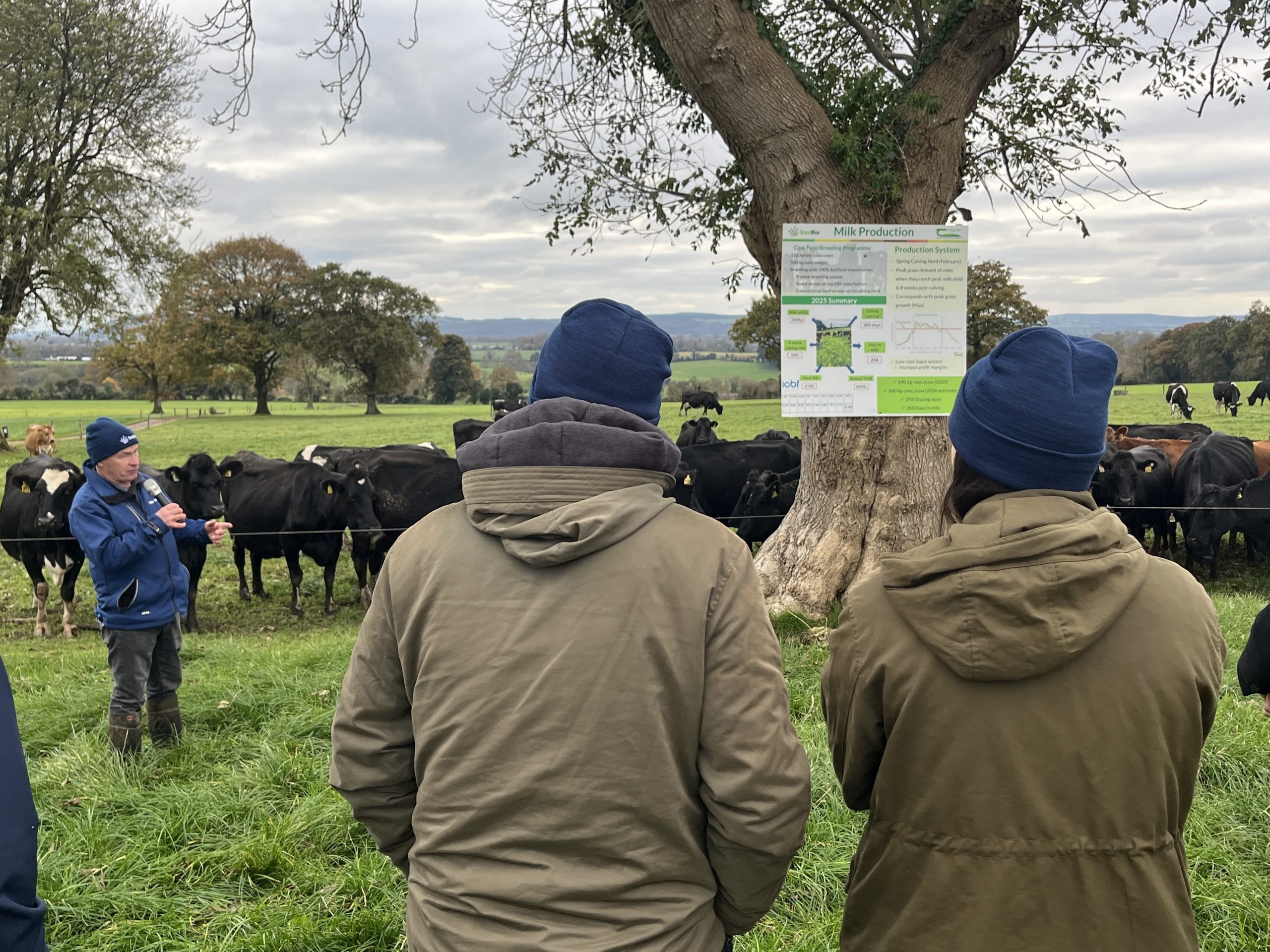
At the heart of the project is a network of more than 135 farms across nine European pedoclimatic zones. Researchers, farmers, shepherds and advisors will work together to test and demonstrate grassland management approaches under real-world conditions.
Field observations, monitoring technologies and scenario analysis will feed into the GrassWise Data Platform and Decision Support Tools, helping translate complex data into practical and actionable knowledge.
GrassWise will also support knowledge exchange and capacity building through its Training Programme and Knowledge Corner, while policy briefs and the Policy Collaboration Platform will help connect research findings with agricultural and environmental policy priorities.
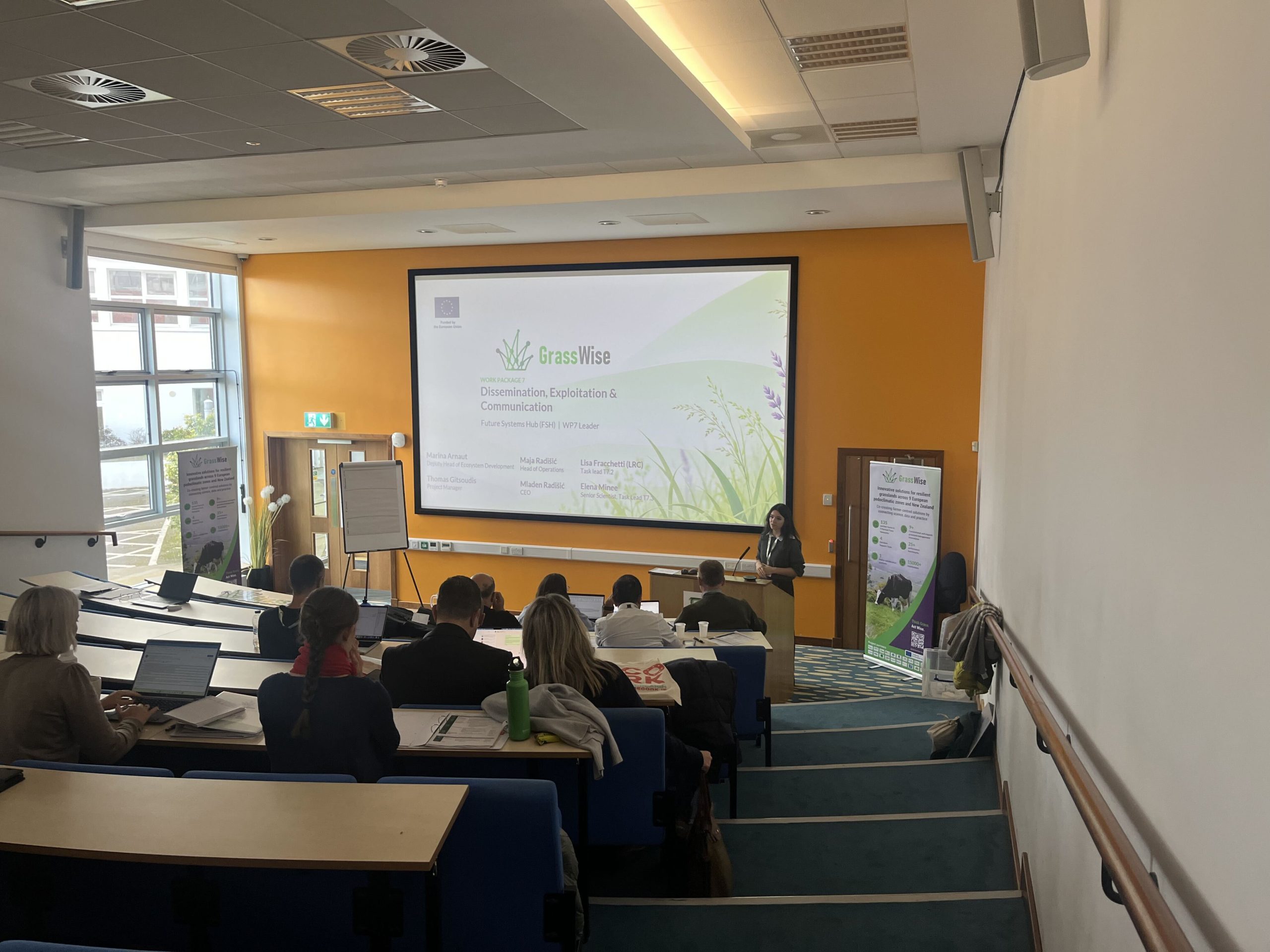
Future Systems Hub leads communication, dissemination and exploitation
Future Systems Hub (FSH) leads the project’s Dissemination, Exploitation and Communication work (WP7) and contributes to key policy engagement activities.
Our role is to help ensure that GrassWise’s scientific knowledge and project results reach the people who can use them – from farmers and advisors to researchers, industry stakeholders and policymakers.
FSH will:
- Lead project communication, dissemination and stakeholder engagement;
- Translate scientific findings and project outputs into accessible and relevant information for different audiences;
- Coordinate the GrassWise Policy Support Desk and facilitate dialogue with European Commission services, national policymakers and relevant European networks;
- Support the development and dissemination of policy briefs and policy dialogue activities;
- Develop exploitation and sustainability pathways to encourage the long-term uptake of GrassWise knowledge, tools and innovations;
- Promote knowledge exchange, collaboration and synergies with related European initiatives and research projects.
From on-farm research and Earth Observation to practical tools and policy dialogue, GrassWise will bring together knowledge from across Europe to support better decisions for the future of grasslands. Visit the GrassWise website to learn more about the project, its partners and the work ahead.